Kim Soo-jin on the power of sound, tenderness and Noise
by Casper Borges
Noise
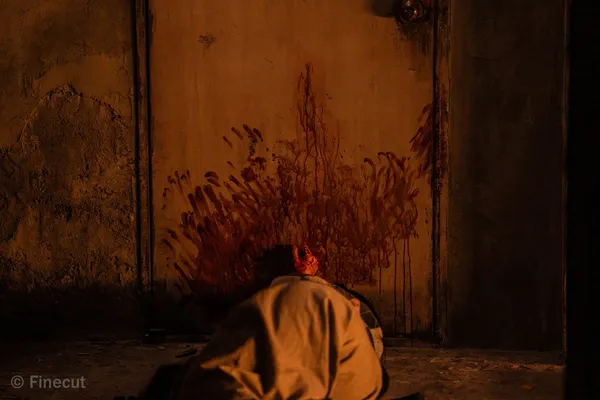
South Korean director Kim Soo-jin's Noise revolves around siblings Joo-young (Lee Sun-bin) and Ju-hee (Han Soo-a). After moving into a new apartment, Joo-young's hearing aids begin picking up strange sounds from the apartment. She soon realises that these sounds are connected to Ju-hee's mysterious disappearance. This realisation leads her to learn the truth about what happened to her younger sister and exposes her to the insidious presence haunting her home.
Noise mixes horror with a tenderness, as Kim Soo-jin builds suspense and utilises the sensitive relationship between the sisters to create tonal layers that complement one another.
In conversation with Eye For Film, Kim Soo-jin discussed building a story around sound and today's contentious media landscape.
The following has been edited for clarity.
Casper Borges: What's the appeal of cinema for you personally?
Kim Soo-jin: Cinema is an interesting art form, and especially in the case of Noise, the way it marries image, sound and story. As an art form, it's an amalgamation of so many different things, and I really care about the sound in horror films. From my experiences on set with sound recording, I've come to value the importance of sound, which is especially important for this film because sound is the story's centre. The noises we hear between the different apartments is one of the main subjects of the film, and so, the sound really carries throughout.
CB: What was the thought process behind the film's opening?
KSJ: It was important to get the audience on side from the very beginning. I wanted to explain the story of how the sister went missing and that before she went missing, she was experiencing these interlayer noises. It was also important that the audience empathise with how frustrating this type of noise is, first-hand, from the beginning.
CB: One of the pleasures of cinema is that it offers audiences a transportive experience. A film will invite the audience to enter the film and connect with the characters.
KSJ: I'm a little afraid of making the audience too uncomfortable, to the point where it's hard to watch. But I still wanted to have a balance to that and not try to avoid making people feel too uncomfortable, even at the risk of losing the empathetic element. But I wanted to have people still understand the pain of the character and empathise with them.
CB: Aside from the suspense and horror, in the flashbacks, we see the sisters sharing a genuinely tender relationship. As much as Noise is intended to unsettle, it's a film that has a gentle spirit.
KSJ: I find that when there are tender moments between the characters before they experience the horror, that actually serves to emphasise the brutality of the horror. So, that was one of the reasons why we wanted to have that tenderness.
In terms of the audience, I really consider the audience's perspective. I want to be nice and friendly and to have them accept the ending of the film. But this time around I challenged myself by refusing to explain certain things, because the supernatural in horror is naturally inexplicable. And if you explain too much, then it's not fun anymore.
CB: We're possibly living through a period where mystery is being done away with, in favour of clearly explanations.
KSJ: The audience should have their own interpretation of the film and their own lingering feelings as well. Lately, I've found with people using smartphones and the popularity of short form content like TikTok, audiences are becoming more objective, and they want clear answers with one interpretation that is right.
Films should meet the audience where they're at, but I'm unsure about this developing trend and how that's going to change films in the future.
At the end of the day, movies can't become TikTok videos — they're not the same thing. We need to emphasise why films are films and highlight the strengths of film. Hopefully, this will get audiences interested in films as films and strengthen cinema. And I want to make more films that are interesting, like Noise, in the future.

 Facebook
 Reddit